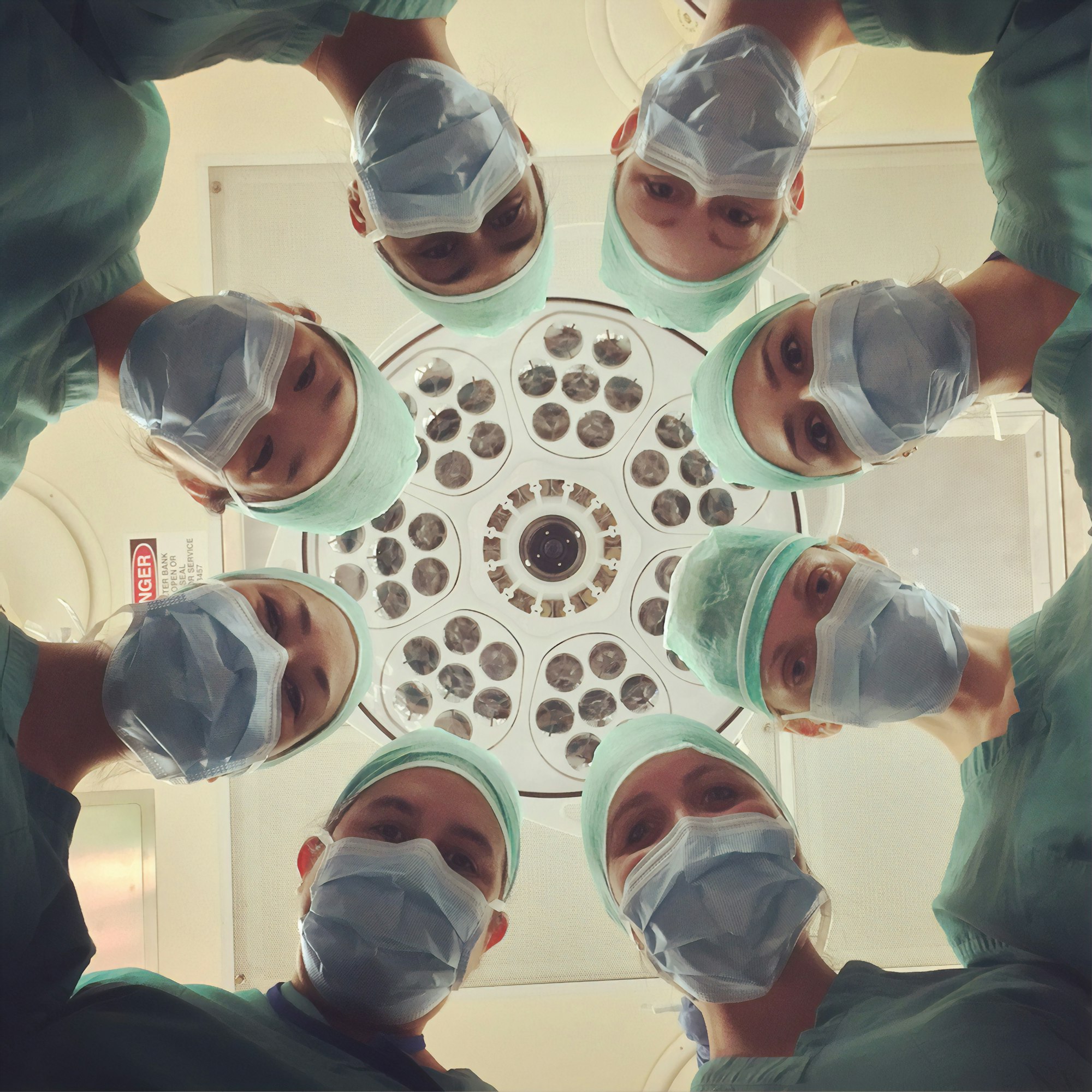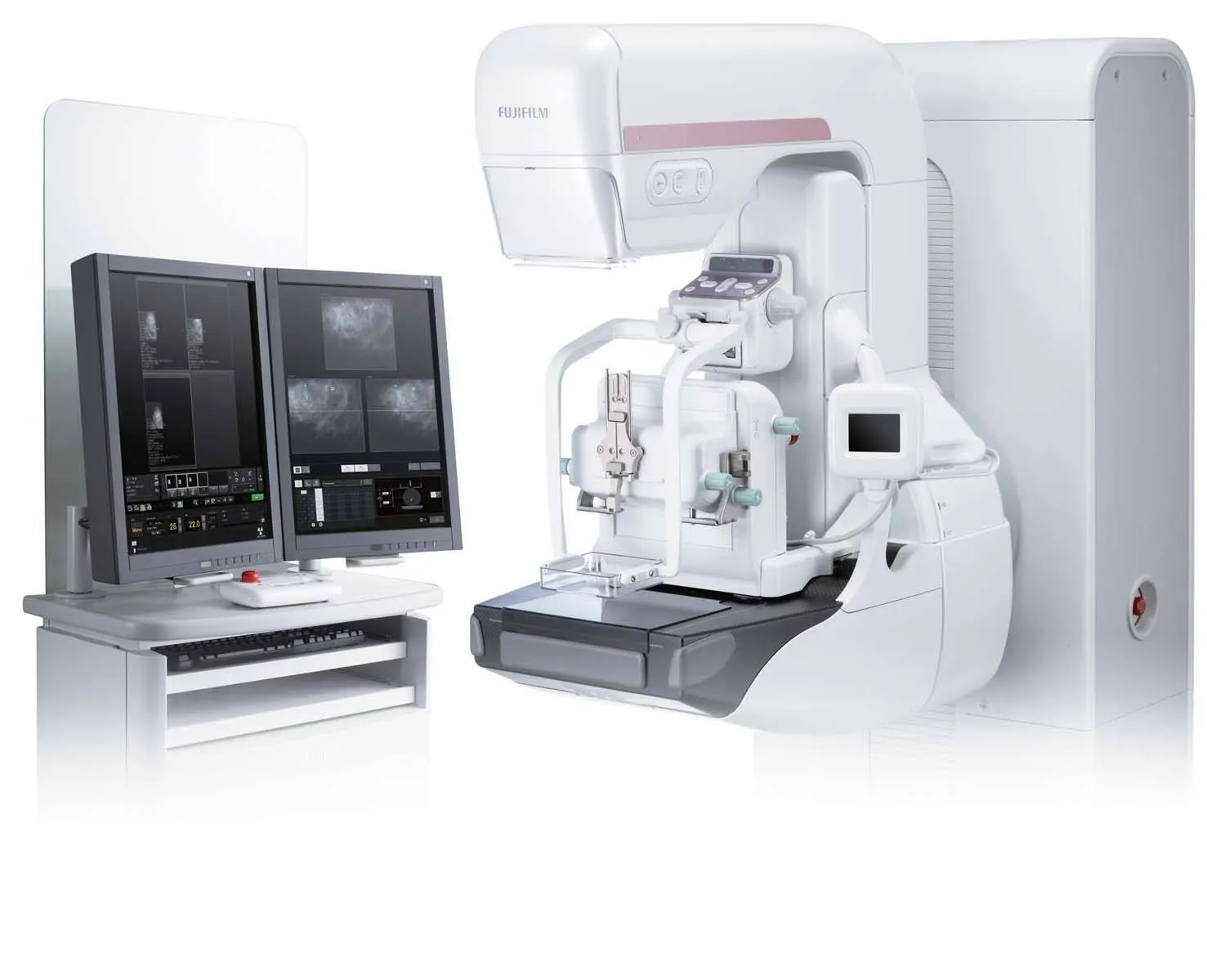
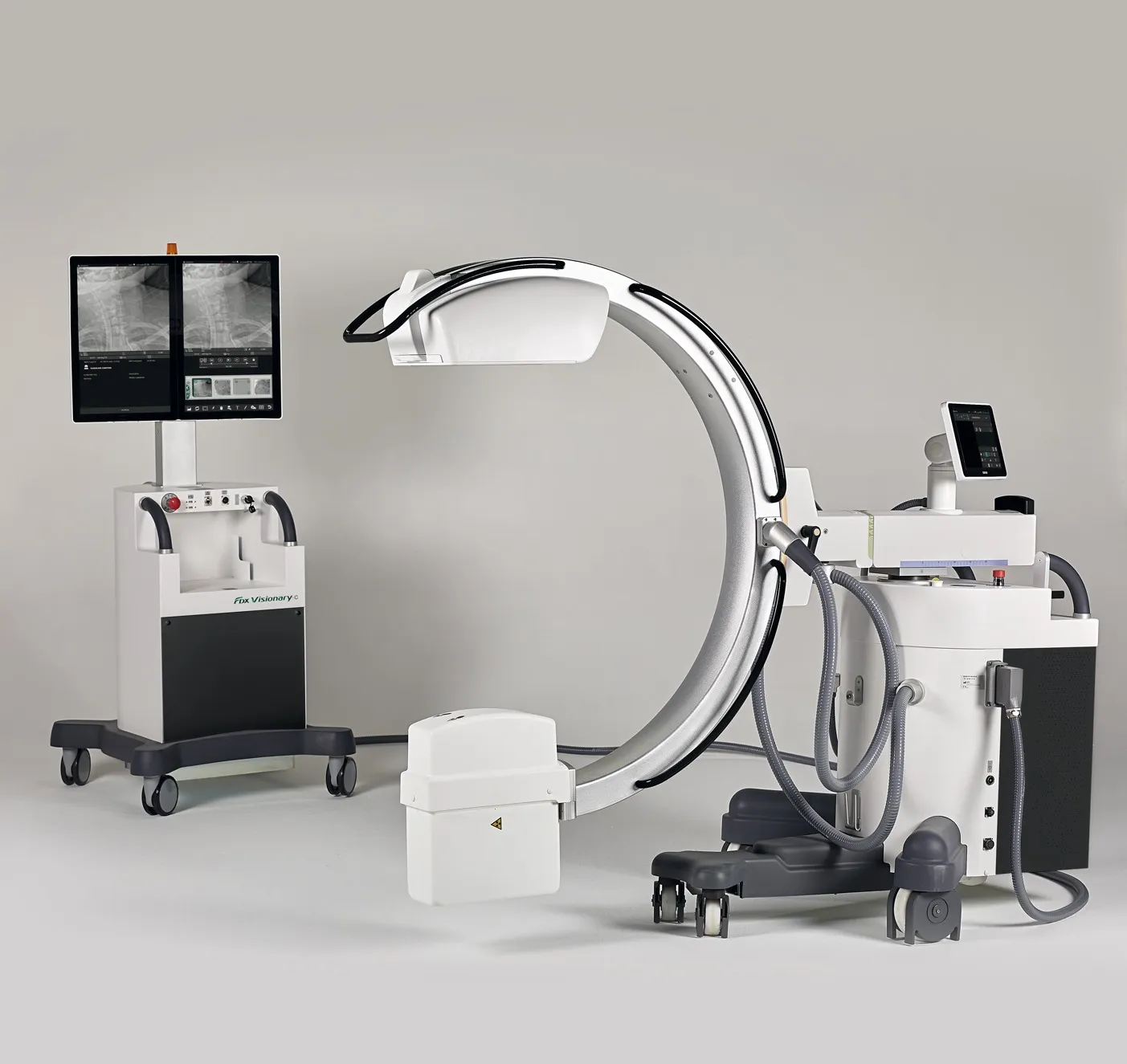
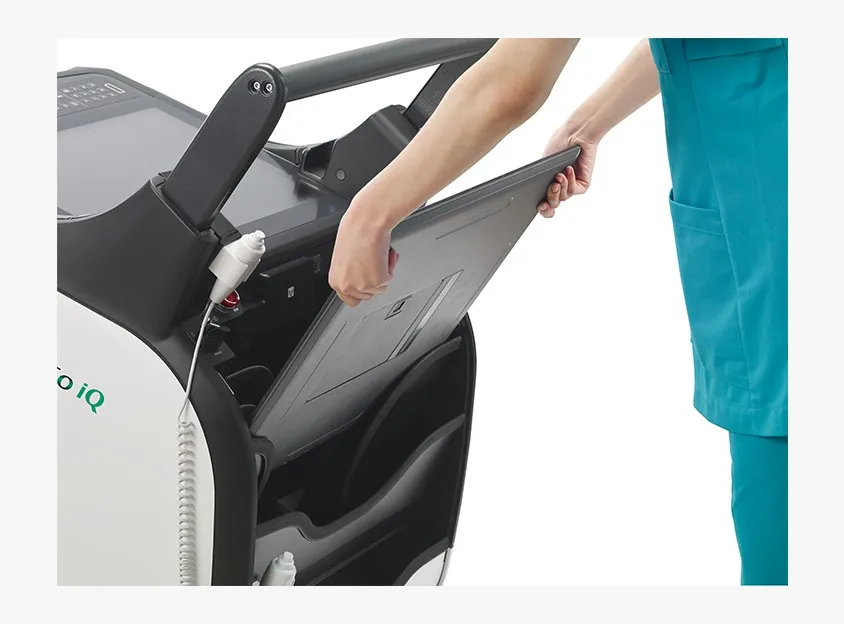
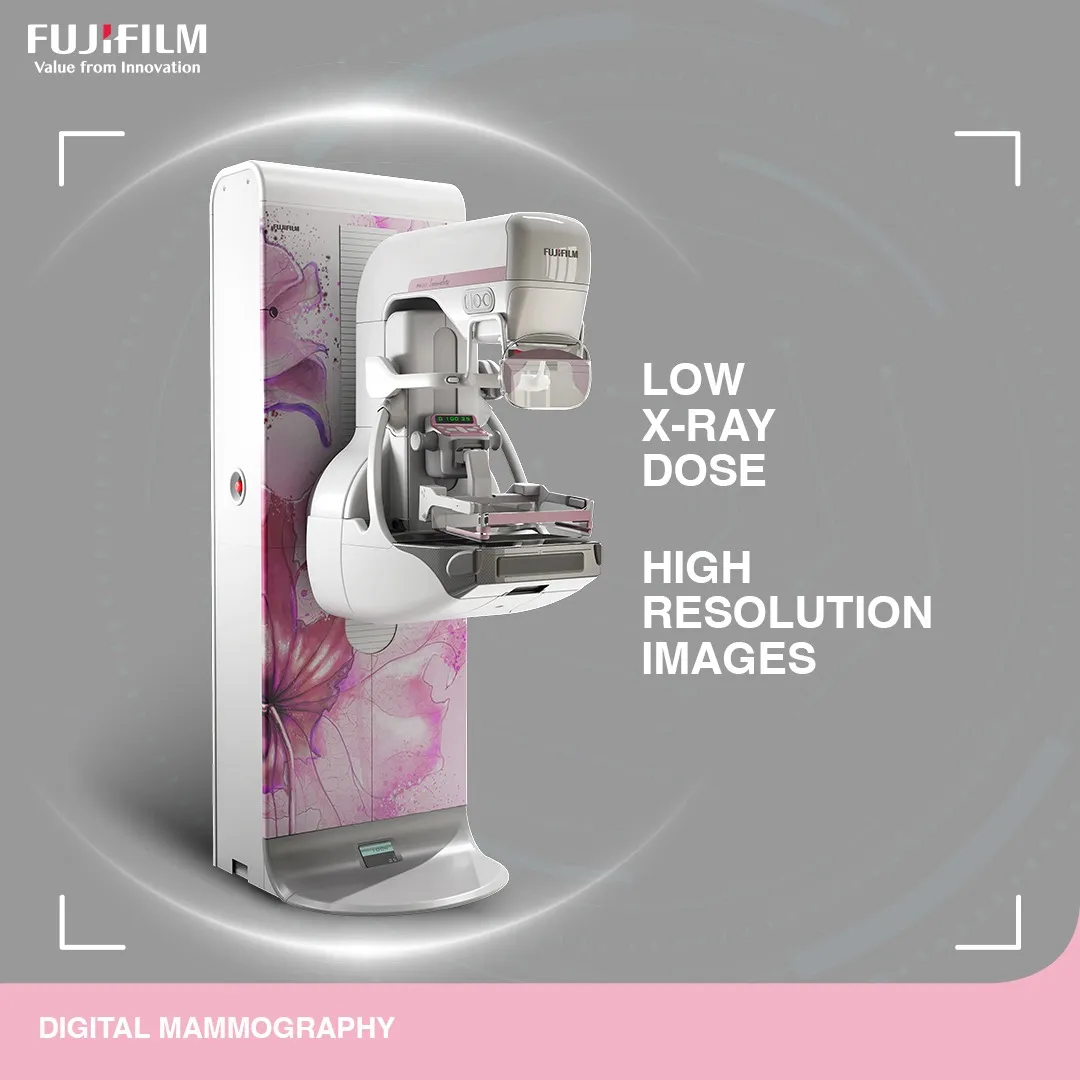
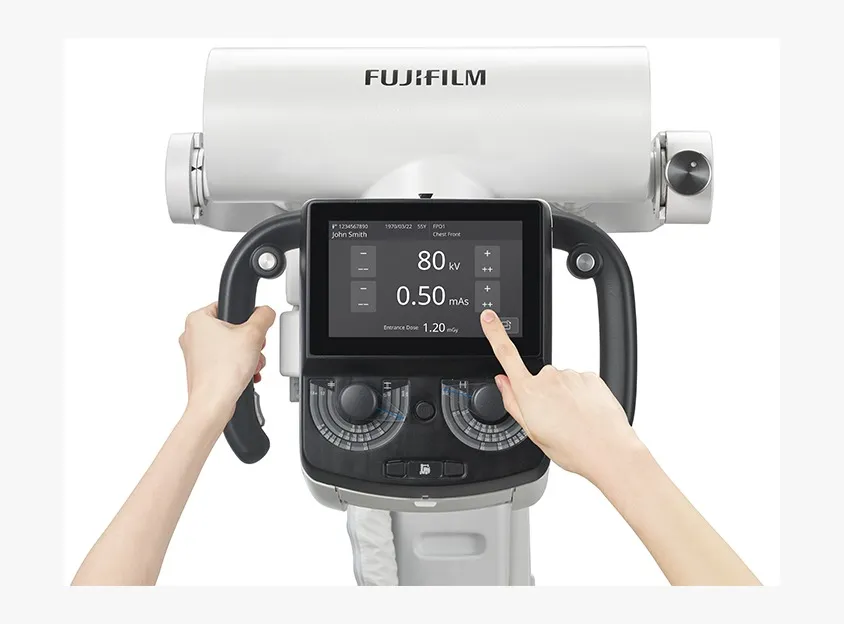
The Imaging Division is a core component of modern healthcare delivery, dedicated to providing high-quality diagnostic imaging services that support accurate clinical decision-making and improved patient outcomes. By combining advanced imaging technologies with intelligent software systems and streamlined workflows, the Imaging Division plays a vital role in early diagnosis, treatment planning, and continuous patient care across multiple medical specialties. At the heart of the Imaging Division is a comprehensive range of imaging modalities designed to meet diverse clinical needs. These include X-ray, ultrasound, CT, MRI, mammography, nuclear medicine, fluoroscopy, and specialized imaging solutions tailored for cardiology, orthopedics, neurology, oncology, and emergency care. Each modality is supported by standardized protocols to ensure consistency, accuracy, and high diagnostic quality while optimizing patient safety and comfort. A fully integrated PACS and RIS ecosystem forms the digital backbone of the Imaging Division. Picture Archiving and Communication Systems (PACS) enable secure storage, rapid retrieval, and efficient sharing of medical images, while Radiology Information Systems (RIS) manage scheduling, patient data, reporting, and workflow coordination. This integration eliminates manual processes, reduces turnaround times, and ensures that imaging data is readily available to clinicians whenever and wherever it is needed. The Imaging Division is designed to enhance operational efficiency and collaboration among radiologists, technologists, and referring physicians. Automated worklists, intelligent routing, and structured reporting tools help prioritize studies, reduce reporting errors, and improve diagnostic accuracy. Real-time access to prior studies and clinical histories allows radiologists to make more informed interpretations, supporting better clinical outcomes. Patient-centered care is a key focus of the Imaging Division. Streamlined appointment scheduling, reduced wait times, and clear communication help create a smoother patient experience. Digital consent forms, automated notifications, and secure access to reports empower patients while ensuring compliance with healthcare data protection regulations. Imaging protocols are optimized to minimize radiation exposure and ensure patient safety without compromising diagnostic quality. Interoperability is a defining strength of the Imaging Division. Built on international healthcare standards, the division seamlessly integrates with Hospital Information Systems (HIS), Electronic Medical Records (EMR), Laboratory Information Systems (LIS), and billing platforms. This unified data environment supports coordinated care, multidisciplinary collaboration, and continuity across the patient journey, from diagnosis to treatment and follow-up. Advanced analytics and reporting tools provide valuable insights into imaging performance, resource utilization, and clinical trends. Healthcare administrators can monitor key metrics such as modality utilization, report turnaround times, and patient volumes to drive operational improvements and informed decision-making. These insights also support quality assurance programs, accreditation requirements, and clinical research initiatives. The Imaging Division is scalable and adaptable, making it suitable for standalone diagnostic centers, hospitals, and multi-site healthcare networks. Whether deployed on-premises or in secure cloud environments, the system ensures high availability, disaster recovery, and data security. Its intuitive user interfaces and role-based access controls promote ease of use while safeguarding sensitive patient information. By combining cutting-edge imaging technology, integrated digital systems, and patient-focused workflows, the Imaging Division empowers healthcare providers to deliver faster, more accurate diagnoses. It enhances collaboration, improves efficiency, and supports high standards of care, making it an essential foundation for modern, technology-driven healthcare organizations.